All Articles
The Capital Trap for News Product Startups
I have learned to be skeptical towards the role of private capital in systemically important tool providers for journalism organizations. Capital’s requirements for growth and margin expansion can be uniquely bad for journalism tools, and even more so for the systems we rely on to manage audience data. To be clear, I don’t have a…


A News Product Perspective on Two Hundred Fifty Years of Independence
The day we celebrate as the birthday of the United States is, strictly speaking, the day in 1776 that Congress adopted the wording of the Declaration of Independence and sent it to print. Congress had voted for independence two days earlier, on July 2nd — the date John Adams assumed we would mark. With the…
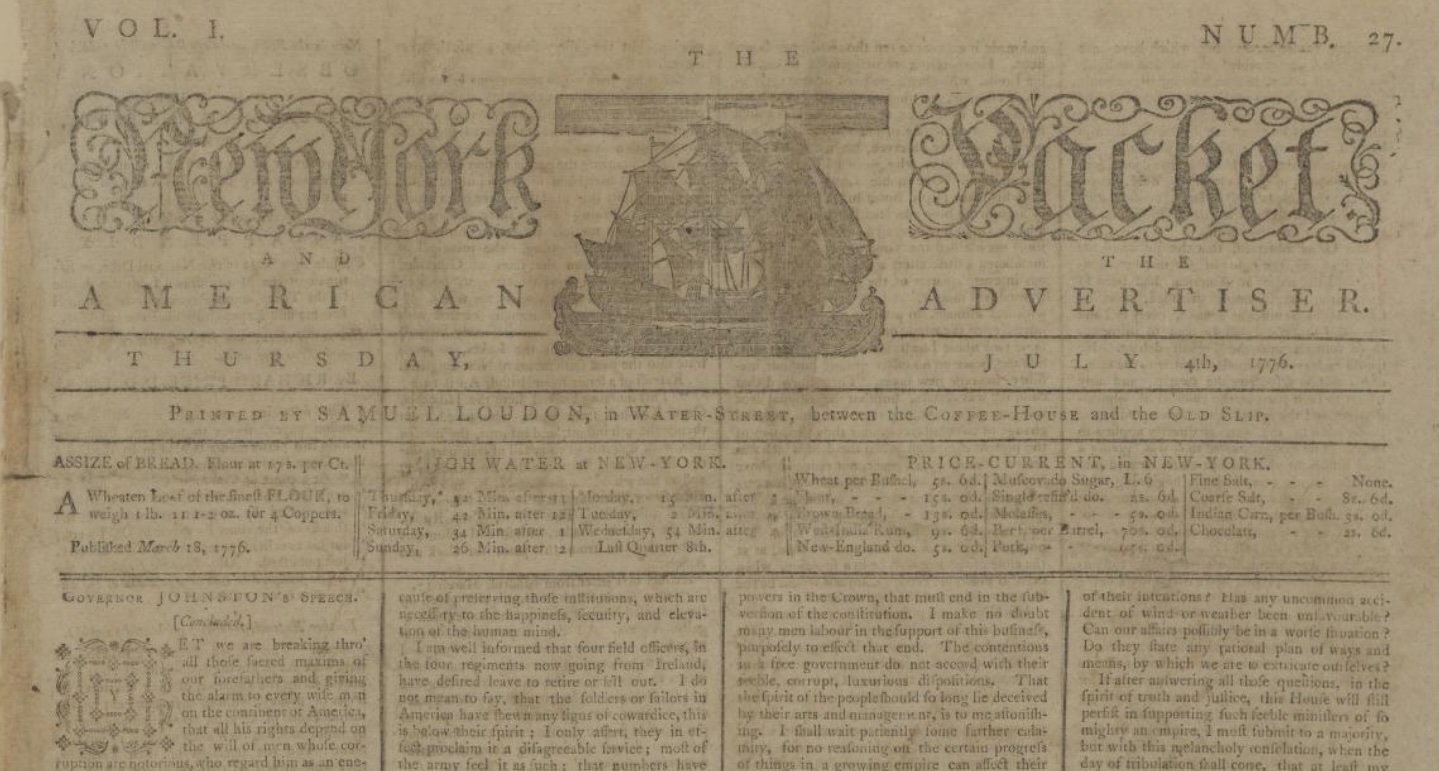
A Short History of Paying for News: Why We’re Building Allegro Audience
The commerce layer has always been core to publishers and must be treated as a first-class part of the technology ecosystem. News organizations have been charging for regular access to the news for hundreds of years.

Allegro Audience: An open customer data toolkit for publishers
Alley is launching a new toolkit called Allegro Audience in public alpha. Allegro Audience is a customer journey, identity, authentication, payments, and data platform. We’ve been in production with our pilot partner, LAist, for several months now, and we’re about to go live with our second partner. We already support payments, gating, dynamic calls to…

A Five-Step Approach to Deploying AI in Labor-Intensive Businesses
A recent academic paper about the economic significance of the “up or out” employment system used by famous consulting firms got me thinking about the economic liberty of employees in the age of artificial intelligence. Consulting is labor-intensive and thus very attractive to both consulting firms and AI tool-builders, but the early returns have mixed…

Vibe Coding is Just Another Way to Say the Same Old Thing
Those of us who have been writing code since at least the early 2000s are familiar with the stereotype of the “cowboy coder.” The term is sort of a double insult — it’s an insult to the individual developer, and it’s also unhelpfully gendered. While I’ve never heard anyone called a cowgirl coder, I have met…

Why Doesn’t Bloomberg Put Money Stuff Behind the Paywall?
One of the best and most popular email newsletters I read is Matt Levine’s Money Stuff. It’s a must-read for folks in lots of finance and finance-adjacent circles, and stylistically one of a kind. Bloomberg, Levine’s employer, is a business, and a pretty good one at that. So why don’t they put his terrific content…

Spotlight, But Only News Technology
Spotlight is one of my single favorite movies ever, and I’ve probably seen it a dozen times. I use parts of it to discuss various aspects of the the news business when I’m talking with folks in journalism, because we’ve almost all seen it, and if you haven’t — drop everything! On the flight home from…

Buried Alive! Publishers are Distracted by Guerilla Marketing
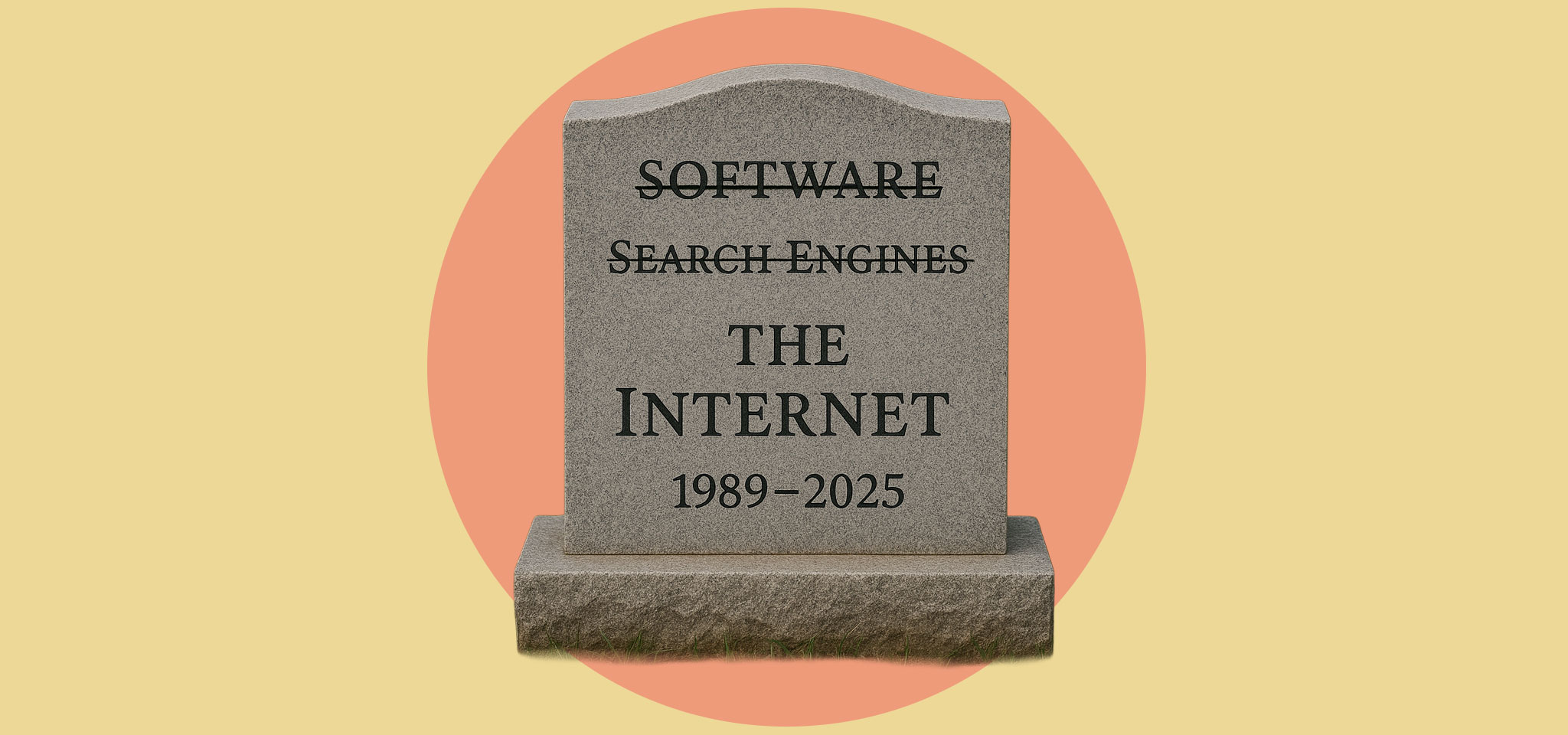
Nothing is classically spookier than claiming something is dead when it isn’t actually. See Edgar Allan Poe’s The Premature Burial for a sense of just how clearly haunting — and seasonally appropriate! — this concept is. To a marketer, declaring things dead serves two purposes. First, it ends the conversation. Why are we still talking about something…
Analyzing 5,818 Publishers’ robots.txt Files: Most Non-profit News Organizations Allow AI Bots, OpenAI Most Commonly Blocked
Robots.txt is a common code format that allows website owners to instruct and direct crawlers, scrapers, spiders, and other automated systems that identify themselves as a unique user agent. Once used to green or red light search engines from accessing a site’s content, publishers are now relying on robots.txt for something completely new: Managing web…